







Workplace rules around employee devices have shifted. Employers now face serious legal risks when they watch computer activity, track location, or read messages. Data protection laws, labor codes, and privacy statutes set clear boundaries. Crossing those lines leads to lawsuits, fines, and broken trust. To stay compliant, companies must follow essential rules.
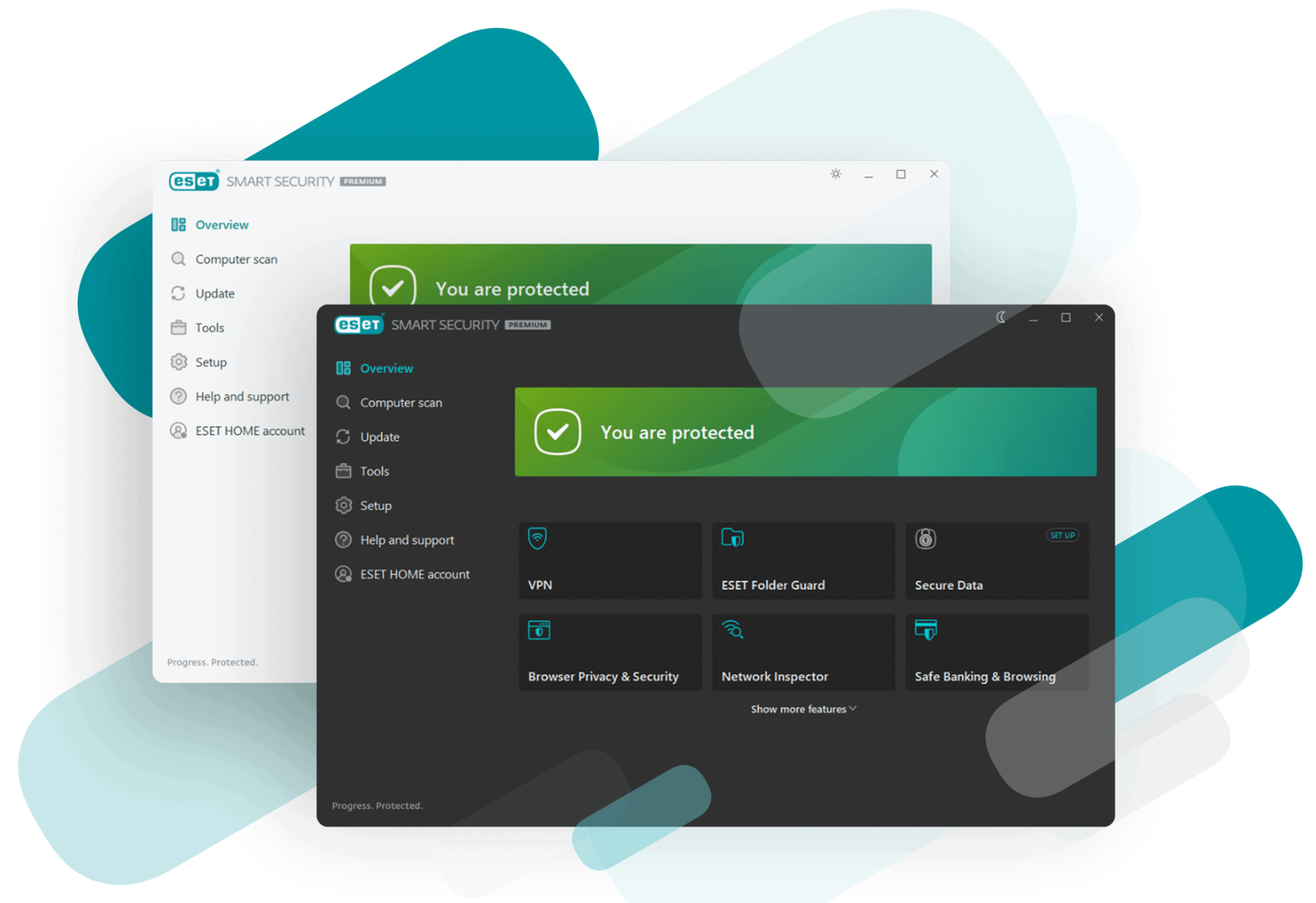
One critical tool to meet these obligations is device monitoring software, but only when used correctly. Let’s break down what the law actually demands.
Notice is key:
Providing clear statements about tech usage remains vital. Employees appreciate clear, written notes. Such notes explain that specific tools will check activities. This openness builds trust between bosses and staff. Good communication prevents confusion later. A clear policy document helps everyone follow rules easily.
Clear business purpose:
Checking equipment needs a valid, fair reason. Employers might need to protect data or ensure work gets done. Keeping the focus on business goals remains essential. Irrelevant checks might lead to trouble. Always connect the activity to actual work duties. Proportionality acts as a helpful guide here.
Local rules matter:
Laws change when crossing borders. Some areas mandate prior written permission. Other places allow more freedom. Checking specific local codes prevents legal issues. Researching the rules in each area stays important. Knowing the local standards helps maintain compliance.
Limit the scope:
Restrict checks to work-related items only. Do not look at personal texts or private photos. Keeping work and personal life separate prevents major friction. Limit the time and depth of the review. Focus only on the essential data required. Privacy retains value even in a work setting.
Secure the data:
Collected information requires protection. Limit who can access the recorded files. Use strong locks or passwords to keep files safe. Store data for only a short period. Proper disposal of old logs keeps security tight. Careless storage might cause problems.
Follow consent norms:
Obtain formal agreements when needed. A signed contract often works well. Explain the tools used and the data collected. Transparency during the hiring stage helps set clear expectations. Keep records of all signed agreements. Proper documentation defends against future questions or claims.
Following these steps creates a healthy environment. Rules protect everyone from accidental harm. Openness prevents bad feelings. Always keep policies updated. Maintaining high standards reflects well on the firm. Simple, honest, and direct methods prove effective. Focus on fair play. Use technology to support the team, not to create fear.


